
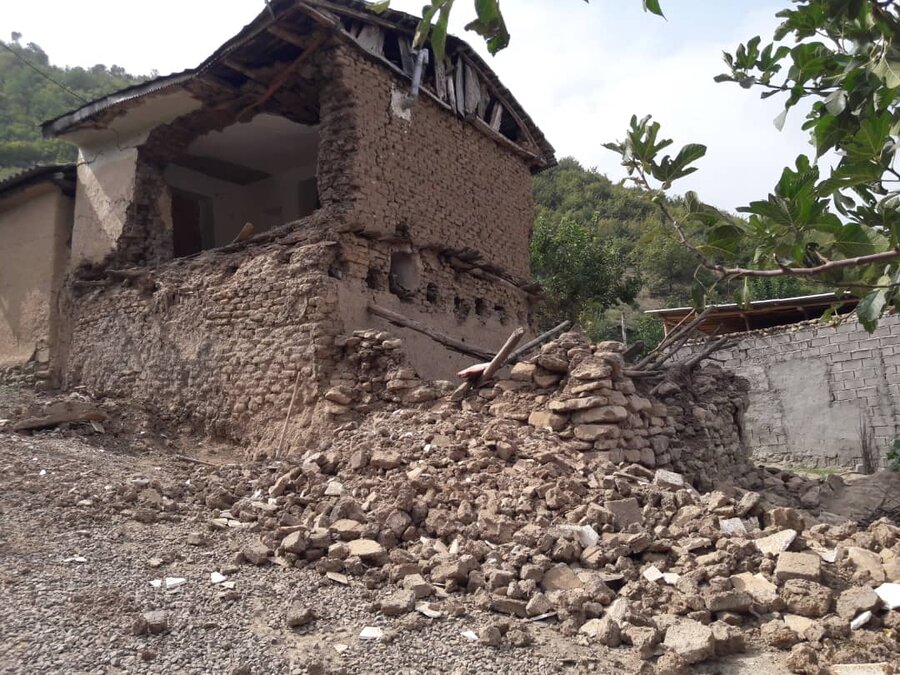
Seyed Javad Hosseini, the head of the SWO, detailed the organization’s actions during the recent war, stating that due to the “aggressive attacks by the United States and the Zionist regime,” 2,970 vocational units, encompassing both self-employment and employer-based initiatives, were damaged. Of these, 362 units suffered more than 50% destruction.
He further added that 1,274 residential units were damaged, with 52 completely destroyed, affecting a total of 30,000 beneficiaries.
27 Welfare Centers Damaged
Hosseini reported that currently, there are 5,000 centers nationwide providing care for beneficiaries, the elderly, children, individuals with disabilities, and those with mental health conditions. During the conflict, 27 of these centers sustained damage. To prevent further harm, over 180 centers were relocated, and more than 30,000 individuals were moved to safe zones under a family-centered approach, including relocations and discharges.
The SWO chief continued, stating that a Crisis Committee has been activated to address the needs of damaged centers and individuals. Immediate aid is being provided by the SWO, while housing-related support has been delegated to the Housing Foundation in the provinces and the Municipality in Tehran.
Regarding the supply of necessities for the centers, Hosseini noted that based on the experience of the “12-day war,” the Crisis Committee had implemented pre-emptive measures even before the conflict began. A key decision involved securing food, medicine, fuel, and energy for round-the-clock centers. “Fortunately,” he stated, “we have not experienced any shortages in these areas throughout the war so far.”
He emphasized that alongside the “heroic defense of the armed forces and the nightly presence of people in the streets,” government, supportive, and revolutionary entities demonstrated significant efforts. “During the 35 days of unequal and intense war between Iran and two powerful world armies, not a single day saw unusual queues for fuel, bread, or food items. This situation was also true for the welfare centers.”
226,000 Aid Packages Distributed
Highlighting supportive actions, the SWO head mentioned the distribution of 226,000 aid packages among the needy with the help of benefactors. Assistance was provided to 10,000 individuals in the medical field, and 59,000 clothing items were distributed. Additionally, 547 cases of housing repair and provision were completed with the participation of benefactors.
He further stated that over 30,000 volunteer groups are active nationwide, engaged in areas such as resilience training, provision of medicine and treatment, and in-person and remote counseling through teams like “Mahb,” “CBR,” “Social Mental Health Assistants,” and “Assistants for Female-Headed Households.”
Hosseini underscored the SWO’s missions, stating, “One of the main functions of the Welfare Organization, as a supportive entity, is the protective and safeguarding role for society, regions, and at-risk individuals, ensuring that those vulnerable do not suffer harm, and that those who have been harmed are brought out of difficult circumstances. This duty becomes doubly important in times of crisis.”
He added that in this regard, 70 directives were sent to welfare centers outlining actions to be taken during and after crises to ensure effective protection and safeguarding.
The SWO chief also noted that the organization’s content production group has created over 46,000 educational materials for the public on how to behave during crises. Furthermore, two telephone hotlines, 1480 (Counseling Voice) and 123 (Social Emergency), are actively serving the public.
He concluded by saying that the “Counseling Voice” system has provided over 95,000 free, round-the-clock, and specialized psychological counseling services. The Social Emergency service has responded to 50,000 calls and conducted 12,000 field operations, with 3,000 of these operations related to the war situation.
Hosseini affirmed, “We have been with the people and will continue to stand with them powerfully.”
Your Comment